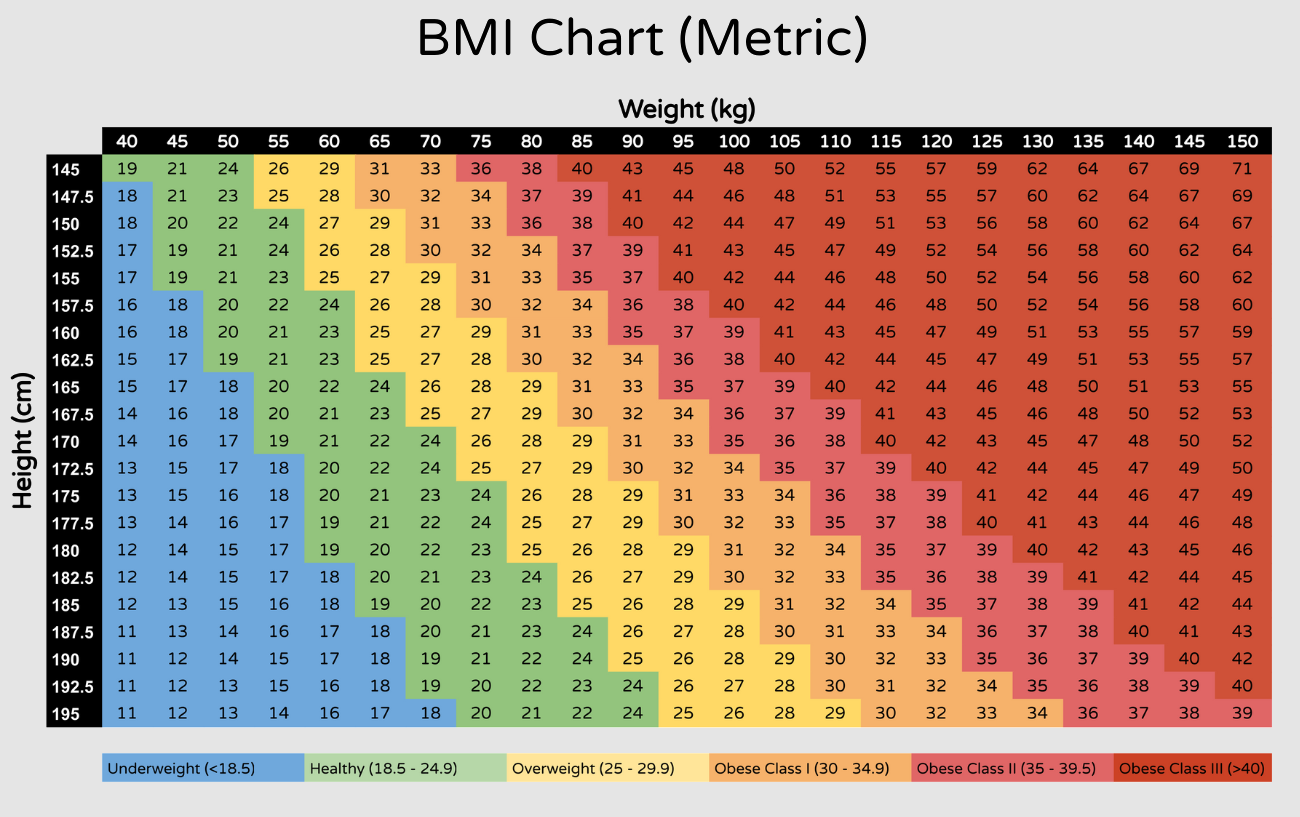
Body Mass Index (BMI) has long been the standard metric for assessing body weight relative to height. While it's a simple calculation, understanding what it really tells you about your health is somewhat more complex.
What is BMI Exactly?
Body Mass Index (BMI) is a numerical value derived from your weight and height. It serves as a screening tool to categorize individuals into different weight groups: underweight, normal weight, overweight, and obesity. The formula is universal: weight in kilograms divided by the square of height in meters (kg/m²).
Designed in the 19th century by Belgian mathematician Adolphe Quetelet, BMI was created to help quantify the level of obesity in the general population. Today, it remains a primary screening tool for health professionals worldwide because it's non-invasive and easy to calculate.
The BMI Categories Explained
According to the World Health Organization (WHO), BMI ranges are interpreted as follows:
- Underweight: Less than 18.5
- Normal Weight: 18.5 to 24.9
- Overweight: 25.0 to 29.9
- Obese: 30.0 or higher
Why BMI Matters
Despite its simplicity, BMI correlates strongly with various metabolic and disease outcomes. Research consistently shows that individuals with a BMI outside the "normal" range have a higher risk of developing health conditions such as:
- Type 2 diabetes
- Cardiovascular diseases (heart disease, stroke)
- High blood pressure (hypertension)
- Certain forms of cancer
- Sleep apnea
Maintaining a BMI within the healthy range is generally associated with longer life expectancy and better quality of life.
Limitations of BMI
While BMI is useful, it is not a perfect diagnostic tool. It does not measure body fat directly. As a result, it can sometimes be misleading:
1. Muscle vs. Fat
Muscle is denser than fat. Athletes or bodybuilders may have a high BMI due to increased muscle mass, placing them in the "overweight" or "obese" category despite having low body fat and excellent metabolic health.
2. Distribution of Fat
BMI doesn't account for where fat is stored. Visceral fat (fat stored around the abdominal organs) is more harmful than subcutaneous fat (fat under the skin). Two people with the same BMI could have very different health risks depending on their waist circumference.
3. Age and Gender Differences
Women typically have more body fat than men at the same BMI. Similarly, older adults may have more body fat than younger adults with the same BMI due to muscle loss associated with aging.
Beyond the Number: Additional Health Metrics
To get a complete picture of your health, don't rely on BMI alone. Consider these additional measurements:
- Waist Circumference: A better indicator of abdominal fat. Men should aim for less than 40 inches (102 cm) and women for less than 35 inches (88 cm).
- Body Composition Analysis: Tools like DEXA scans or bioelectrical impedance scales can measure your actual body fat percentage.
- Blood Work: Cholesterol, blood sugar, and blood pressure readings provide critical insight into your metabolic health.
Conclusion
BMI is a valuable starting point for understanding your weight-related health risks, but it's just one piece of the puzzle. Use our free BMI calculator to check your status, but remember to look at your health holistically. Regular exercise, a balanced diet, and routine check-ups with your doctor are the true pillars of long-term wellness.