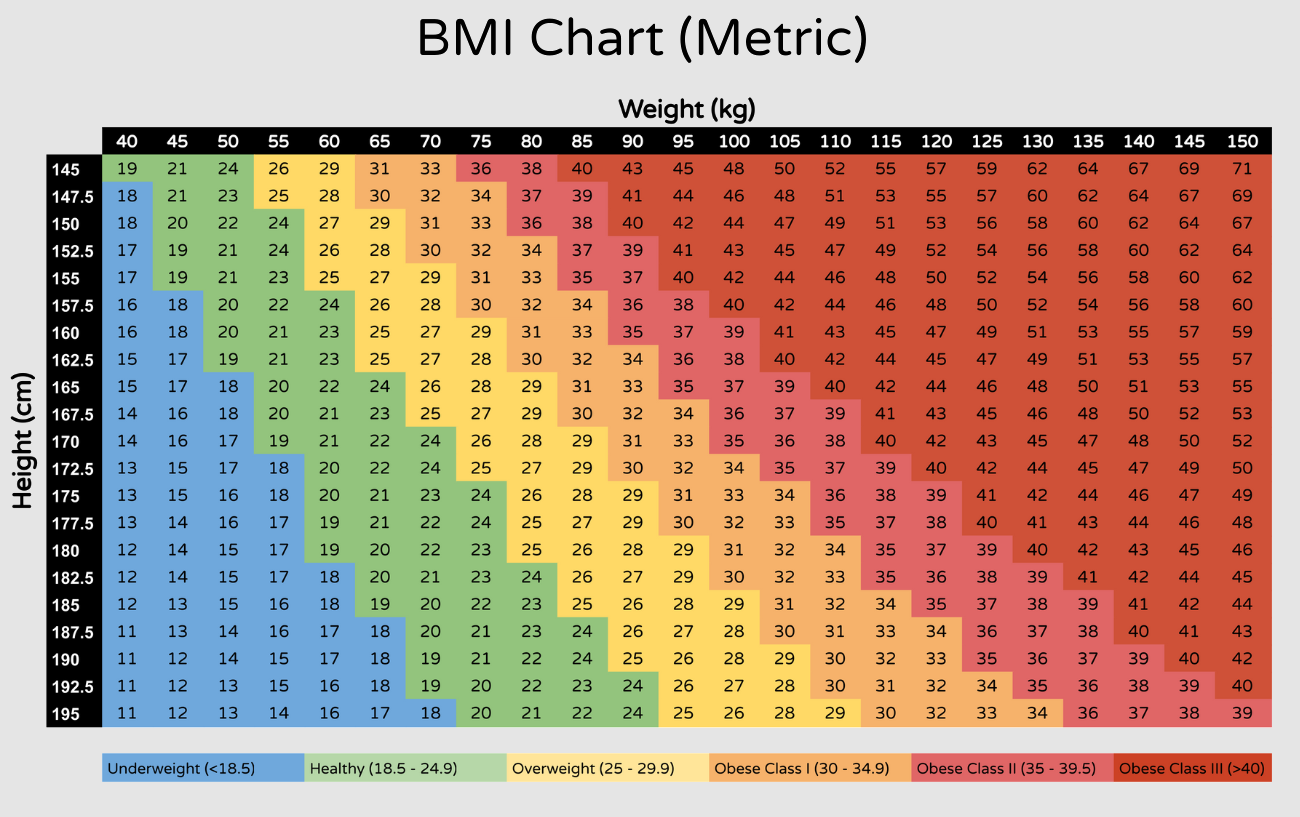
Body Mass Index (BMI) is the most widely used screening tool for weight issues, but if you treat it as the final word on your health, you might be missing the bigger picture.
The "Skinny Fat" Phenomenon
It is entirely possible to have a "Normal" BMI (18.5-24.9) but still be metabolically unhealthy. This condition, often called "skinny fat" or correct-weight obesity, occurs when a person has low muscle mass and high body fat percentage. They might pass a BMI test, but still face risks for heart disease and diabetes.
The Athlete Paradox
Conversely, professional athletes, rugby players, and bodybuilders often classify as "Overweight" or even "Obese" on the BMI scale. Because muscle tissue is much denser and heavier than fat tissue, a very fit individual will have a high weight relative to their height. For these people, BMI is practically useless.
Ethnic Differences
Standard BMI cutoffs were largely developed based on Western populations. Research shows that health risks emerge at different BMI levels for different ethnicities. For example, people of Asian descent often have a higher risk of diabetes at a lower BMI (often starting at 23 rather than 25).
What Should You Measure Instead?
If you suspect BMI isn't accurate for you, look at these metrics:
- Waist-to-Height Ratio: Your waist circumference should be less than half your height.
- Physical Performance: Can you climb stairs without getting winded? Can you carry groceries? Functional fitness often matters more than a number on a scale.
- Blood Markers: Cholesterol, triglycerides, and HbA1c give a true look at what's happening inside.
Conclusion
Use BMI as a rough screening tool, not a diagnosis. If your BMI says you are overweight but you have a six-pack, ignore it. If your BMI says you are normal but you eat poorly and never exercise, don't get complacent. Health is holistic.